Exploring the psychology behind risk-taking in gambling decisions
The Nature of Risk in Gambling
Risk-taking is an inherent part of gambling, driving individuals to make decisions that can lead to significant financial gains or losses. This behavior is often influenced by various psychological factors, including perception of risk, reward anticipation, and emotional responses. For many, the thrill of uncertainty becomes a key motivator, prompting players to engage in activities that offer both excitement and potential rewards. Many Canadians are turning to innovations in the industry, such as Casinacho in Canada, which provides a diverse range of gaming experiences.

The psychology of risk in gambling can be linked to the concept of risk tolerance, which varies from person to person. Some individuals may be more predisposed to take risks due to their personality traits, while others may approach gambling with a more cautious mindset. Understanding these differences is essential in addressing why certain players may gamble more aggressively than others.
The Role of Emotion in Gambling Decisions
Emotions play a significant role in gambling behavior, often overshadowing rational decision-making. For many gamblers, emotions such as excitement, fear, or even euphoria can drive their choices at the gaming table or slot machine. This emotional involvement can lead to impulsive decisions, where players may continue to gamble despite mounting losses, driven by the hope of a big win.
Moreover, cognitive biases often exacerbate emotional decision-making. Gamblers may fall prey to the “gambler’s fallacy,” believing that past outcomes influence future results. This can create a cycle where emotions cloud judgment, leading to increased risk-taking as players chase losses or become overly confident after a win.
Social Influences on Gambling Behavior
Social factors significantly shape gambling behavior, with group dynamics often encouraging risk-taking. Gambling is frequently a social activity, where individuals may feel pressure to conform to the behaviors of friends or family members. This peer influence can lead to greater risk-taking, as individuals may gamble more than they normally would in isolation.
Furthermore, the social environment, including the presence of supportive peers or competitive atmospheres, can amplify the thrill associated with gambling. Players may find themselves engaging in high-stakes games simply to match the excitement levels of those around them, often overlooking their financial limits in the process.
The Impact of Cognitive Dissonance
Cognitive dissonance can also play a crucial role in gambling decisions. When individuals gamble and experience losses, they may rationalize their behavior to alleviate the discomfort associated with their decisions. This rationalization often leads to increased risk-taking as gamblers convince themselves that they are “due” for a win, thus justifying further bets.
This internal conflict can perpetuate a cycle of gambling, where the need to resolve dissonance drives individuals to engage in riskier behavior. By understanding this psychological phenomenon, players can better recognize the patterns in their gambling decisions and potentially take steps to mitigate harmful behaviors.
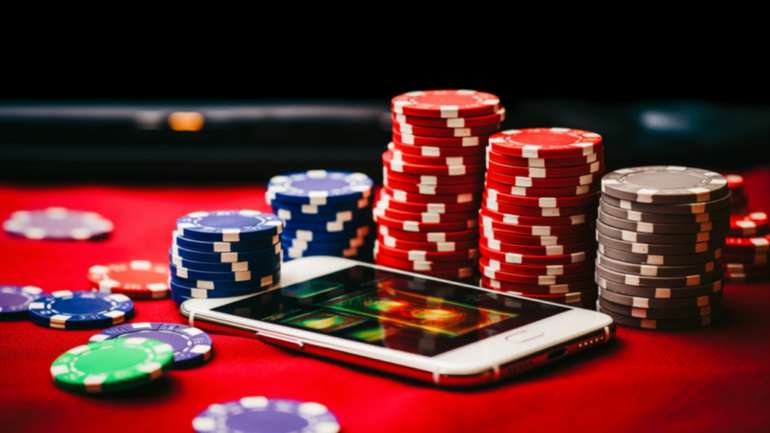
Discovering Opportunities at Casinacho
Casinacho Casino Canada provides an engaging platform for those interested in exploring their gambling preferences within a secure environment. With a diverse selection of over 4,000 slots and live games, players can test their luck while considering the psychological factors that influence their decisions. The site offers a user-friendly interface and a comprehensive loyalty program, enhancing the overall gaming experience.
Additionally, Casinacho prioritizes player safety with robust security measures, ensuring that users can gamble responsibly. By understanding the psychology behind their choices, players can make informed decisions while enjoying the thrill of gambling in a supportive and rewarding environment.
Leave a Reply