Guía esencial para principiantes en el emocionante mundo de los casinos
Introducción al mundo de los casinos
El mundo de los casinos es un lugar fascinante, lleno de luces, sonidos y la promesa de grandes premios. Para los principiantes, es esencial entender cómo funcionan estos establecimientos, tanto físicos como online. En un casino, la variedad de juegos y las opciones de entretenimiento son vastas, lo que puede resultar abrumador. Sin embargo, con un poco de investigación y conocimiento, cualquier persona puede disfrutar de esta experiencia de manera responsable. Además, si estás buscando información, los mejores casinos sin licencia en españa también son una opción interesante para considerar.

Los casinos han evolucionado a lo largo de los años, integrando tecnología avanzada que ofrece un ambiente de juego atractivo. Desde las clásicas máquinas tragamonedas hasta los sofisticados juegos de mesa, hay algo para todos los gustos. Es crucial que los nuevos jugadores se familiaricen con las reglas y dinámicas de cada juego antes de participar, lo que les permitirá disfrutar más de la experiencia y tomar decisiones informadas.
Además, la regulación de los casinos es un aspecto fundamental que los principiantes deben considerar. En muchos países, existen normativas que garantizan la seguridad y la protección del jugador. Esto no solo se aplica a los casinos físicos, sino también a las plataformas online. Conocer estos aspectos puede ayudar a los principiantes a elegir casinos confiables y a evitar posibles estafas.
Tipos de juegos disponibles en los casinos
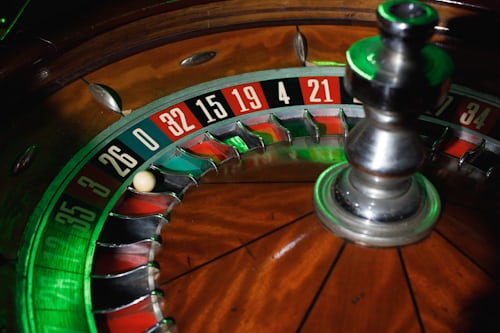
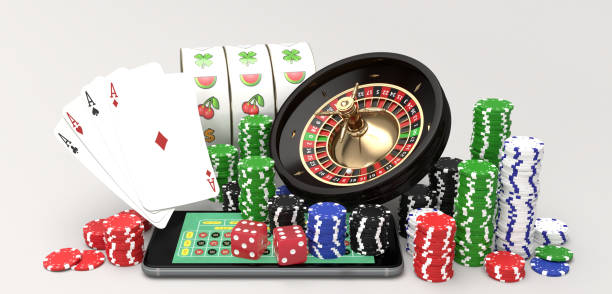
Los casinos ofrecen una amplia variedad de juegos que pueden ser clasificados en dos categorías principales: juegos de azar y juegos de habilidad. Los juegos de azar, como las máquinas tragamonedas y la ruleta, dependen completamente de la suerte. En cambio, juegos como el póker y el blackjack requieren una combinación de estrategia y habilidad, lo que añade un nivel adicional de emoción. Entender esta diferencia es vital para que los principiantes elijan los juegos que mejor se adapten a su estilo de juego.
Las máquinas tragamonedas son quizás las más populares entre los nuevos jugadores. Su facilidad de uso y la posibilidad de ganar grandes premios con apuestas mínimas las hacen irresistibles. Sin embargo, es importante recordar que, a pesar de la tentación de jugar, se debe establecer un presupuesto para evitar gastos excesivos. Por otro lado, los juegos de mesa ofrecen una experiencia más social, permitiendo a los jugadores interactuar entre sí y con el crupier, lo que puede ser muy entretenido.
Por último, los casinos online han llevado la experiencia del juego a un nuevo nivel. Con la posibilidad de jugar desde casa y acceso a una gama casi infinita de juegos, estos casinos se han vuelto cada vez más populares. Para los principiantes, explorar diferentes tipos de juegos en plataformas online puede ser una excelente manera de aprender sin la presión del entorno físico del casino.
Bonos y promociones en los casinos
Una de las ventajas más atractivas de jugar en casinos, especialmente online, son los bonos y promociones que ofrecen. Los bonos de bienvenida son una forma común en la que los casinos intentan atraer a nuevos jugadores, ofreciendo dinero adicional o giros gratis al registrarse. Estos bonos pueden ser muy beneficiosos, pero es fundamental leer los términos y condiciones para entender los requisitos de apuesta y las limitaciones que pueden estar asociadas.
Además de los bonos de bienvenida, los casinos suelen ofrecer promociones regulares, como bonos de recarga o programas de fidelidad. Estos incentivos pueden ayudar a maximizar la experiencia de juego, proporcionando más oportunidades para jugar y ganar. Sin embargo, los jugadores deben ser conscientes de que la gestión responsable del dinero es crucial, incluso cuando se dispone de fondos adicionales para jugar.
Por otro lado, es importante recordar que no todos los bonos son iguales. Algunos pueden ofrecer ventajas más significativas que otros. Comparar las ofertas de diferentes casinos puede ayudar a los principiantes a encontrar la mejor opción que se adapte a su estilo de juego y presupuesto. Investigar y entender el valor real de cada promoción es un paso clave para jugar de manera inteligente.
Consejos para jugar de manera responsable
El juego responsable es un aspecto esencial que todo principiante debe considerar al ingresar al mundo de los casinos. Establecer un presupuesto es uno de los primeros pasos para garantizar que la experiencia de juego sea divertida y no perjudicial. Determinar la cantidad de dinero que se está dispuesto a gastar y apegarse a ese límite es crucial para evitar problemas financieros. Además, es recomendable no ver el dinero como una forma de inversión, sino como una forma de entretenimiento.
Otra recomendación importante es tomarse descansos regulares. La emoción del juego puede llevar a los jugadores a perder la noción del tiempo y del dinero que gastan. Hacer pausas ayuda a mantener la perspectiva y a disfrutar más de la experiencia. Asimismo, es vital reconocer cuándo es el momento de dejar de jugar, ya sea por haber alcanzado el límite de gasto o porque el juego ya no es divertido.
Finalmente, buscar ayuda si el juego se convierte en un problema es fundamental. Muchos casinos y organizaciones ofrecen recursos y apoyo para aquellos que puedan estar luchando con la adicción al juego. Informarse sobre estas opciones y no dudar en pedir ayuda si es necesario puede hacer una gran diferencia en la vida de un jugador.

Explora el sitio para más información
Este sitio se dedica a ofrecer a los principiantes una guía completa para navegar en el mundo de los casinos, ya sean físicos u online. Aquí, encontrarás información detallada sobre los mejores casinos, las promociones disponibles y consejos útiles para disfrutar de una experiencia segura y emocionante. Nuestro objetivo es empoderar a los jugadores a que tomen decisiones informadas y responsables.
Además, realizamos auditorías rigurosas de las plataformas recomendadas, garantizando que operen de manera legal y ofrezcan un entorno seguro para jugar. Creemos que el conocimiento es clave para disfrutar de los juegos de azar de manera responsable, y por eso, brindamos recursos que ayudan a los jugadores a entender las reglas y dinámicas de cada juego.
Te invitamos a explorar todas las secciones de nuestro sitio, donde encontrarás contenido actualizado y relevante que puede guiarte en tu viaje por el emocionante mundo de los casinos. Recuerda que el juego debe ser una fuente de entretenimiento, y aquí estamos para ayudarte a lograrlo.


:max_bytes(150000):strip_icc()/GettyImages-560231979-d28ad2e66dcf4cae9fc319f46e606c21.jpg)