Understanding the psychology behind gambling behavior in casinos
The Allure of the Casino Environment
The design and ambiance of casinos are meticulously crafted to captivate and engage gamblers. Bright lights, vibrant colors, and strategically placed sounds create an atmosphere that enhances excitement and anticipation. This sensory overload can trigger emotional responses that encourage players to stay longer and gamble more. The lack of clocks and windows in many casinos reinforces a sense of timelessness, making it easy for individuals to lose track of time while immersed in the gaming experience. Many people explore the best uk betting sites to find similar thrills online.
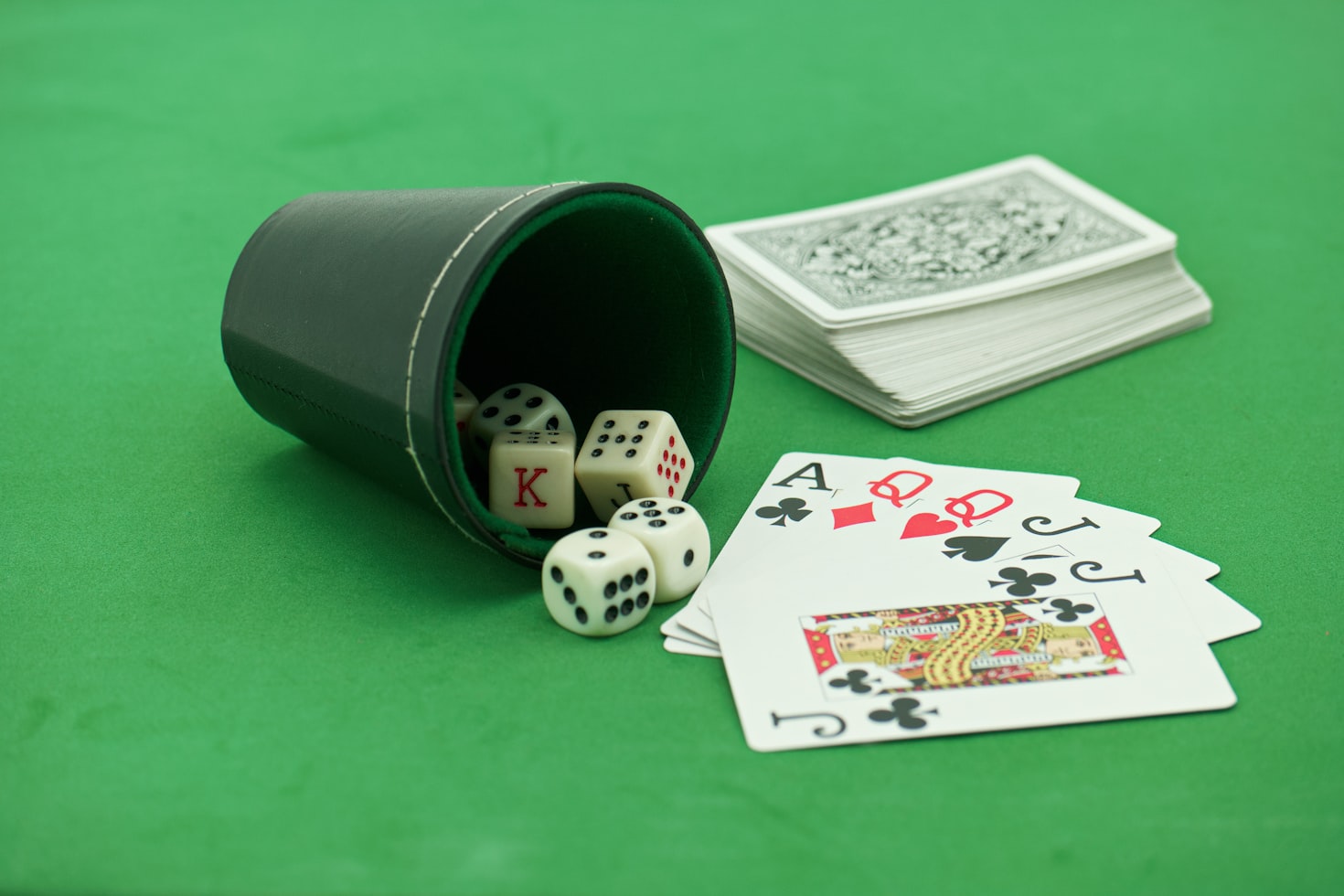
Additionally, the arrangement of games and machines is intentional. Popular games are often positioned near entrances to attract foot traffic, while high-stakes games are secluded to create an air of exclusivity. This layout not only entices players but also enhances their perception of potential wins, fostering an environment conducive to prolonged gambling sessions.
The Role of Reward Mechanisms
Gambling behavior is heavily influenced by reward systems, both psychological and neurological. When individuals win, their brains release dopamine, a neurotransmitter linked to pleasure and reward. This chemical reaction reinforces the behavior, making players more likely to return for additional gambling sessions in hopes of replicating the euphoric feeling. The concept of intermittent rewards, where wins are unpredictable, further amplifies this effect, keeping players engaged despite the potential for loss.
Casinos leverage this understanding by employing techniques such as near-miss scenarios, where players almost win, which can create a sense of hope and motivate continued play. Such tactics manipulate the psychology of gamblers, making them more susceptible to chasing losses and experiencing a greater emotional investment in their gambling activities.
Cognitive Biases in Gambling
Cognitive biases play a significant role in gambling behavior. Many players fall victim to the “gambler’s fallacy,” the belief that past outcomes can influence future results. This mindset leads individuals to think that a win is “due” after a series of losses, prompting them to gamble more. Such misconceptions can severely impact decision-making and risk assessment, often leading to irrational behaviors.
Moreover, overconfidence is a prevalent bias among gamblers. Players frequently overestimate their skills or strategies, believing they can beat the odds through sheer will or expertise. This overconfidence can result in significant financial losses, as individuals place larger bets based on flawed reasoning rather than understanding the inherent risks of gambling.
The Influence of Social Dynamics
The social aspect of gambling cannot be overlooked. Many individuals are drawn to casinos not just for the games but for the communal experience. Interaction with fellow gamblers can enhance enjoyment and provide a sense of belonging. Social connections can amplify the thrill of winning and provide comfort during losing streaks, creating a feedback loop that encourages continued gambling.
Group dynamics can also impact gambling behavior, with players often mirroring the actions of those around them. This can lead to increased betting and risk-taking, as individuals feel emboldened by the presence of others. Peer pressure and a shared excitement can push players to engage in behaviors they might avoid when gambling alone.

Exploring Responsible Gambling and Resources
Understanding the psychology behind gambling behavior also necessitates a conversation about responsible gambling. Recognizing the allure and risks of casino environments can empower players to make informed choices. Many casinos and online platforms are now providing resources and tools to promote responsible gaming, such as self-exclusion programs and access to educational materials.
Educating oneself about the psychological triggers of gambling is crucial for maintaining control. By developing awareness of one’s own behavior and the emotional responses tied to gambling, individuals can create healthier boundaries, ensuring that their gaming remains a fun and recreational activity rather than a harmful obsession.
Leave a Reply